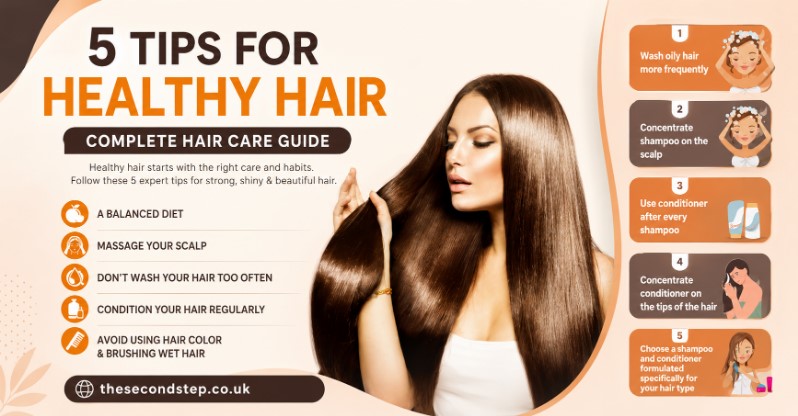
Healthy hair doesn’t come from one miracle product. It comes from small, consistent habits that protect your scalp, reduce damage, and support strong hair as it grows.
If you’ve ever wondered why your hair feels dry, breaks easily, or lacks shine despite using expensive products, the answer often lies in your daily routine rather than your shampoo bottle. Hair health is influenced by genetics, nutrition, styling habits, environmental exposure, and scalp care.
This guide brings together practical, evidence-based advice to help you build a routine that works for your hair type. Whether your hair is straight, wavy, curly, or coily, these strategies can help you maintain healthier strands over time.
Why Hair Health Starts at the Scalp
Hair grows from follicles beneath the scalp. While you can’t permanently repair damaged hair fibers, you can create the best environment for healthy new growth.
Also Read: Lace Midi Skirt Styling Tips, Outfit Ideas & Buying Guide
A healthy scalp should be:
- Clean without feeling stripped
- Free from excessive buildup
- Comfortable, with minimal itching or irritation
- Properly moisturized
If you’re experiencing sudden or significant hair loss, persistent scalp pain, or patchy bald spots, it’s best to consult a dermatologist rather than relying solely on home remedies.
Build a Simple Hair Care Routine
Consistency matters more than complexity.
| Step | Why It Matters | Best Practice |
|---|---|---|
| Cleanse | Removes oil and buildup | Wash according to your scalp’s needs |
| Condition | Replaces moisture and smooths the cuticle | Focus on mid-lengths and ends |
| Protect | Reduces damage | Use heat protectant and UV protection when needed |
| Nourish | Supports healthy growth | Eat a balanced diet and stay hydrated |
Choose Products Based on Your Hair Type
No single product works for everyone.
Fine Hair
Look for:
- Lightweight conditioners
- Volumizing shampoos
- Minimal heavy oils
Avoid applying rich creams close to the roots.
Thick Hair
Benefits from:
- Rich conditioners
- Moisturizing masks
- Leave-in conditioners
Extra moisture helps reduce frizz and dryness.
Curly and Coily Hair
These textures naturally lose moisture faster.
Helpful products include:
- Sulfate-free cleansers (if they suit your scalp)
- Deep conditioners
- Curl creams
- Lightweight oils for sealing moisture
Wash Your Hair the Right Way
One of the biggest myths is that everyone should wash their hair daily.
The ideal frequency depends on:
- Scalp oil production
- Activity level
- Hair texture
- Product buildup
General guidelines:
- Oily scalp: every 1–2 days
- Normal scalp: every 2–4 days
- Dry or curly hair: every 4–7 days
When washing:
- Wet hair thoroughly.
- Massage shampoo into the scalp with fingertips—not nails.
- Let the lather clean the lengths as you rinse.
- Apply conditioner mainly to the ends.
- Rinse with lukewarm water.
Very hot water can contribute to dryness.
Reduce Heat Damage
Heat styling is one of the most common causes of split ends and breakage.
To minimize damage:
- Always apply a heat protectant.
- Use the lowest effective temperature.
- Avoid repeatedly passing tools over the same section.
- Let hair air-dry whenever practical.
- Schedule occasional heat-free days.
Healthy-looking hair often comes from preventing damage rather than repairing it afterward.
Dry Hair Gently
Wet hair stretches more easily and is more vulnerable to breakage.
Instead of rubbing with a regular towel:
- Gently squeeze out excess water.
- Use a microfiber towel or soft cotton T-shirt.
- Detangle carefully using a wide-tooth comb.
- Start from the ends and work upward.
These simple changes can noticeably reduce mechanical damage.
Feed Your Hair From Within
Good nutrition supports normal hair growth.
Important nutrients include:
- Protein
- Iron
- Zinc
- Vitamin D
- Vitamin B12
- Omega-3 fats
- Biotin (only if deficient—extra supplementation isn’t proven to help everyone)
A balanced eating pattern with lean proteins, vegetables, fruits, whole grains, nuts, and healthy fats supports overall health, including hair.
Crash diets and rapid weight loss can sometimes trigger temporary hair shedding.
Keep Your Scalp Healthy
Healthy strands begin with scalp care.
Consider these habits:
- Remove styling buildup regularly.
- Avoid scratching irritated skin.
- Treat dandruff if it persists.
- Avoid applying heavy products directly onto the scalp unless intended for scalp use.
A scalp massage may improve relaxation and increase blood flow temporarily, although evidence that it dramatically boosts hair growth remains limited.
Protect Hair While Sleeping
Nighttime habits make more difference than many people realize.
Helpful tips:
- Sleep on a silk or satin pillowcase if you find it reduces friction.
- Tie long hair loosely.
- Avoid sleeping with soaking wet hair.
- Use soft scrunchies instead of tight elastics.
These habits can help reduce tangles and breakage.
Trim Split Ends Regularly
Hair doesn’t grow faster because you cut it.
However, trimming damaged ends helps:
- Prevent splits from traveling upward
- Improve appearance
- Make hair easier to manage
Many people benefit from trims every 8–12 weeks, though timing varies depending on hair goals and condition.
Common Habits That Damage Hair
Sometimes avoiding mistakes matters more than adding new products.
Watch out for:
- Tight hairstyles every day
- Frequent bleaching
- Excessive chemical treatments
- High heat without protection
- Aggressive brushing
- Skipping conditioner entirely
- Picking at the scalp
Small daily habits often have the greatest long-term impact.
Natural Oils: Helpful but Not Magic
Natural oils can improve softness and reduce moisture loss.
Popular choices include:
- Coconut oil
- Argan oil
- Jojoba oil
- Olive oil
They mainly work by coating the hair rather than changing how fast it grows.
Apply sparingly, especially if your hair is fine.
Do Expensive Products Work Better?
Not necessarily.
Price doesn’t always reflect performance.
A quality routine often includes:
- A gentle cleanser
- A suitable conditioner
- Heat protection
- Occasional deep conditioning
The best product is one that consistently suits your scalp, hair texture, and lifestyle.
Seasonal Hair Care Matters
Hair responds differently throughout the year.
Summer
Protect against:
- UV exposure
- Chlorine
- Saltwater
Rinse hair after swimming and wear a hat during prolonged sun exposure.
Winter
Focus on:
- Moisture retention
- Reducing static
- Avoiding very hot showers
Adding a richer conditioner may help combat seasonal dryness.
Myths Worth Ignoring
Many hair care myths continue to circulate online.
Myth: Cutting hair makes it grow faster.
False. Growth happens at the scalp, not the ends.
Myth: Brushing 100 strokes every day improves hair.
Excessive brushing may actually increase breakage.
Myth: Oiling overnight guarantees faster growth.
Current scientific evidence doesn’t support this claim.
Myth: Shampoo causes hair loss.
Normal washing removes hairs already in the shedding phase. Shampoo itself doesn’t usually cause healthy follicles to stop producing hair.
When to See a Professional
Home care isn’t always enough.
Seek medical advice if you notice:
- Sudden heavy shedding
- Bald patches
- Scalp pain
- Persistent redness or scaling
- Hair thinning accompanied by other health changes
Hair changes can sometimes signal nutritional deficiencies, hormonal conditions, thyroid disorders, or other medical issues.
Conclusion
The best hair care tips for healthy hair aren’t complicated—they’re consistent. Gentle cleansing, proper conditioning, heat protection, balanced nutrition, and smart styling habits all contribute to stronger, shinier hair over time.
Rather than chasing trends, focus on building a routine that fits your hair type and lifestyle. Healthy hair is usually the result of everyday care, patience, and realistic expectations—not overnight transformations.
FAQs
1. What are the most important hair care tips for healthy hair?
The essentials include cleansing your scalp appropriately, conditioning regularly, minimizing heat damage, eating a balanced diet, protecting hair from breakage, and trimming split ends as needed.
2. How often should I wash my hair?
It depends on your scalp and hair type. Oily scalps may need washing every 1–2 days, while dry or curly hair often does well with washing every 4–7 days.
3. Does oiling help hair grow faster?
Current evidence doesn’t show that oils directly increase hair growth. They can reduce dryness, improve softness, and protect the hair shaft.
4. What foods are good for healthy hair?
Protein-rich foods, eggs, fish, beans, leafy greens, nuts, seeds, whole grains, and fruits provide nutrients that support normal hair growth.
5. Can damaged hair be repaired?
The damaged portion of the hair shaft cannot fully heal. Conditioning treatments improve appearance and manageability, while trimming removes damaged ends.
6. Is air-drying better than blow-drying?
Air-drying can reduce heat exposure, but prolonged wetness may also stress hair in some situations. If using a dryer, apply heat protectant and use moderate temperatures.
For more updates visit: THE SECOND STEP