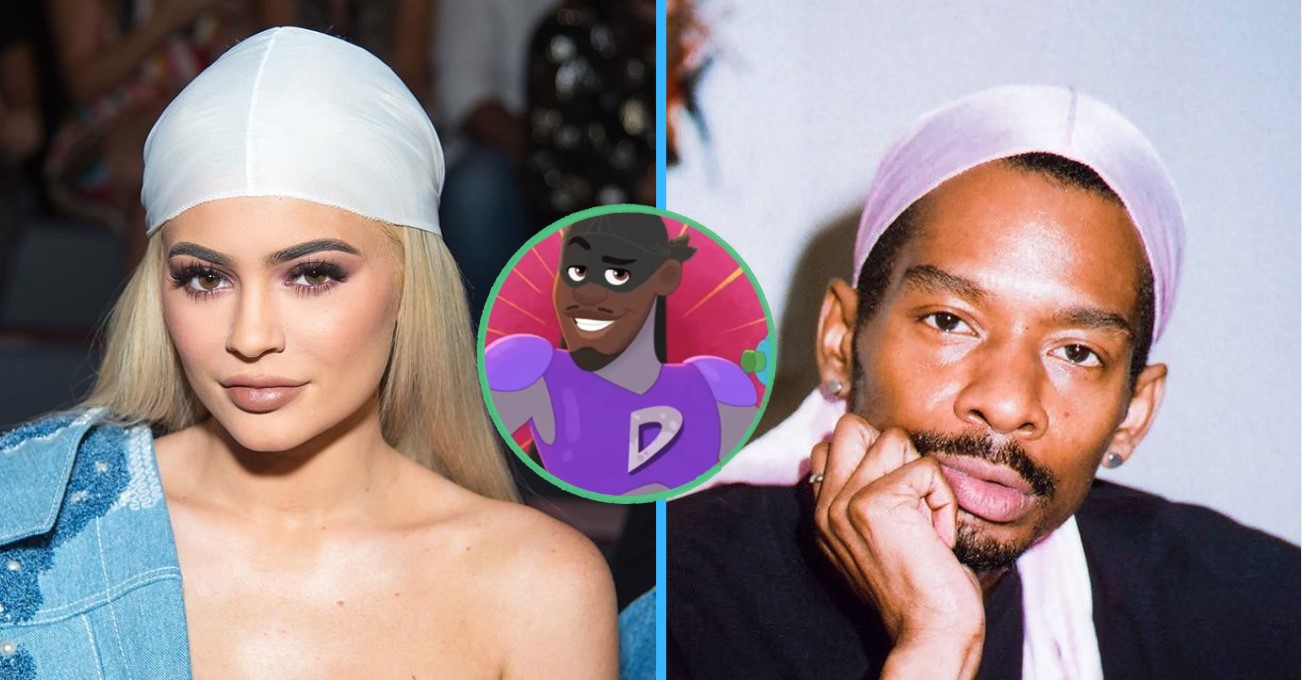
Few accessories carry the cultural weight, stylistic versatility, and sheer practicality of the durag. Once dismissed by mainstream fashion circles, the durag has evolved into a globally recognized symbol of Black culture, identity, and self-expression. Whether you are searching for a silk durag to protect your waves, curious about how to tie a durag properly, or simply want to understand why this humble head covering commands so much respect, this guide covers everything you need to know — from its roots to its modern revival.
What Is a Durag? Understanding the Basics
A durag is a close-fitting head wrap traditionally made from materials like velvet, polyester, spandex, or silk. A do-rag lays flat against the hair, covers the scalp, and extends down the back of the neck. Two long fabric ties wrap around the head and secure the garment in place. People commonly believe the word comes from “do-rag,” referring to the hairstyle or “do” that the garment protects.
Beyond its functional role in hair care, the durag has served as a canvas for cultural pride, community identity, and creative expression for decades. It sits at a fascinating intersection of utility and symbolism — a simple piece of fabric that carries immense meaning.
The Cultural History of the Durag
The durag’s origins trace back to the 19th century in the United States, when enslaved Black people used headwraps for practical purposes. By the 1930s, during the Harlem Renaissance, head wraps and wave caps became more common among Black men who wanted to preserve their hairstyles and waves overnight. The modern durag as we recognize it today gained widespread visibility in the 1970s and 1980s, deeply embedded within African American working-class culture.
Through the 1990s and 2000s, the durag became synonymous with hip-hop and rap culture. Artists and athletes proudly wore durags on and off stage, cementing the accessory as a statement of identity. However, this visibility also triggered controversy — the durag was banned in the NFL in 2001, a move widely criticized as racially motivated.
The cultural reclamation of the durag reached a defining moment in 2016 when Beyoncé wore a silk durag in her visual album Lemonade, signaling a high-fashion embrace of an accessory that had long been stigmatized. Since then, the durag has appeared on luxury fashion runways, in music videos, and across social media feeds worldwide, fully shedding the negative associations that once shadowed it.
Types of Durags: Finding the Right One for You
Not all durags are created equal. The material you choose directly impacts both the look and the practical benefit you receive.
Silk Durag
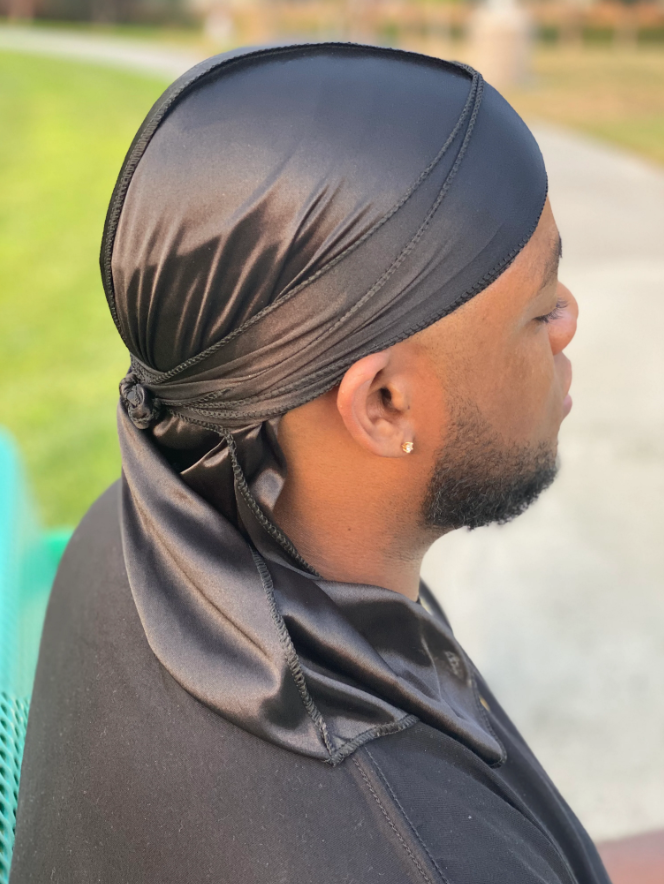
The silk durag is widely regarded as the gold standard among wave enthusiasts and hair care advocates. Silk is a naturally smooth, low-friction fabric that reduces breakage, retains moisture, and allows waves to form and hold without flattening them unevenly. A genuine silk durag is softer against the scalp, less likely to leave compression marks on the forehead, and generally more breathable than synthetic alternatives.
For anyone serious about developing 360 waves or maintaining the health of their natural hair, investing in a quality silk durag is one of the most recommended first steps in any hair care routine.
Velvet Durag
The velvet durag is a premium choice that leans more toward fashion than function. Its plush, rich texture makes it a statement piece that photographs beautifully and exudes a luxurious aesthetic. While velvet durags do offer some compression for wave training, they are heavier and less breathable than silk, making them better suited for shorter wear or style-focused occasions.
Polyester and Spandex Durags
These are the most common and budget-friendly options on the market. Polyester and spandex durags offer elasticity and durability, making them practical for everyday use. While they may not deliver the same hair benefits as silk, they remain a popular choice for everyday wave training and casual wear.
The Captain Durag: A Pop Culture Phenomenon

One of the most widely recognized fictional durag-wearers is Captain Durag, a superhero character who became a viral sensation in the context of online culture and animation. The Captain Durag Disney concept — rooted in fan art, social media content, and discussions about representation in mainstream animation — sparked widespread conversation about Black characters in superhero narratives.
The idea of a captain durag figure reflects a broader cultural desire: to see Black identity, accessories, and aesthetics celebrated rather than erased within popular storytelling. Whether as satire, fan fiction, or genuine cultural commentary, Captain Durag represents how a simple piece of fabric has become a symbol powerful enough to anchor an entire character’s identity.
The Durag Cap: A Modern Hybrid Style
The durag cap is a contemporary evolution of the classic durag, blending the structured fit of a cap with the wave-protecting, hair-compressing function of a traditional durag. Durag caps typically feature an extended back flap that covers the nape of the neck, offering compression without the need for tying.
Popular among younger wearers who want a streetwear-ready aesthetic that still delivers hair care benefits, the durag cap has become a staple in urban fashion. It pairs effortlessly with hoodies, oversized tees, and athletic wear, making it as versatile as it is functional.
How to Put On a Durag: A Step-by-Step Breakdown
Learning how to put on a durag correctly makes a significant difference in both comfort and effectiveness. Here is a clear walkthrough to get it right every time.
Step One: Prep Your Hair
Before anything else, brush your hair thoroughly in the direction of your desired wave pattern. Apply wave grease or pomade if you are actively training waves, as the durag will compress and hold the pattern in place.
Step Two: Position the Durag
Hold the durag with the seam facing outward and center it on your forehead, just above your hairline. Make sure the flap drapes down the back of your head and neck.
Step Three: Tie the Strings
Take the two fabric strings and wrap them toward the back of your head, crossing them over each other once at the back of your skull. Then bring the strings back to the front of your head and tie them gently but securely above your forehead. Avoid tying too tightly, as this can cause forehead creasing and discomfort.
Step Four: Tuck the Flap
Once the strings are tied, smooth out the flap at the back so it lies flat along your neck. Tuck any excess material neatly to avoid bunching.
How to Tie a Durag for Waves Specifically
When the goal is 360 wave development, how to tie a durag becomes even more deliberate. After brushing your hair, position the durag so the front edge sits approximately half an inch above the eyebrows. When crossing the strings at the back, apply light, even pressure to ensure the durag hugs the scalp uniformly across all sections of the head.
Wearing the durag during sleep and for 30-minute intervals after each brushing session is a widely recommended practice in the wave community. Consistency is key — the the head wrap does not create waves on its own but rather locks in and reinforces the pattern established through regular brushing.
Styling the the head wrap: Fashion Tips and Pairings
The modern the head wrap has earned its place as a full-fledged fashion accessory. Silk durags in jewel tones like emerald, cobalt, and burgundy have become popular streetwear choices. Velvet durags in black and deep navy convey a high-fashion sensibility.
When styling a durag cap, consider monochromatic outfit pairings for a clean, contemporary look. For a more expressive street style, mixing a brightly colored velvet the head wrap with a neutral outfit lets the headwear serve as the focal point.
Conclusion
The durag is far more than a hair care tool. It is a living artifact of cultural resilience, a fashion statement, a community symbol, and for millions of people, a daily ritual of self-care and pride. From the protective properties of the silk durag to the stylistic evolution of the durag cap, and from the viral cultural energy of Captain Durag to the precise art of knowing how to tie a durag for waves — this accessory has earned every inch of its place in both fashion history and everyday life.
Whether you are new to the durag world or a long-time wearer, understanding its depth only deepens the appreciation for what you are putting on your head each morning.
FAQs
What is the best material for a durag?
Silk is widely considered the best material for a durag because it reduces friction, retains moisture, and minimizes hair breakage while providing excellent compression for wave training.
How long should you wear a durag each day?
Most wave enthusiasts recommend wearing a durag for at least 30 minutes after each brushing session and throughout the night while sleeping for optimal wave development.
What is a durag cap?
A durag cap is a hybrid accessory that combines the structured fit of a cap with the compression and hair-protecting features of a traditional durag, eliminating the need for tie strings.
Is it okay to wear a durag all day?
Wearing a durag for extended periods is generally fine, especially with breathable materials like silk. However, it is advisable to remove it periodically to allow the scalp to breathe and to prevent prolonged forehead compression marks.
Who is Captain Durag?
Captain Durag is a fictional superhero character popularized through online culture and fan-driven content, representing a broader conversation about Black identity and representation in mainstream media and entertainment.
For more updates visit: THE SECOND STEP